

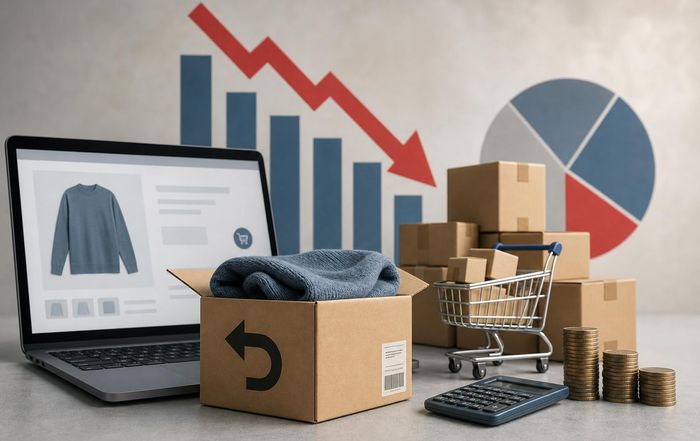
How Retail Returns Are Reshaping Ecommerce Profit Margins
Product returns have shifted from a manageable cost of doing business to a structural challenge for online retail. As ecommerce penetration has risen globally, so has the volume and complexity of returns, eroding already thin profit margins and forcing merchants, logistics providers, and marketplaces to rethink how they design products, set policies, and manage reverse logistics. This article examines how the economics of returns are changing, why the issue has become more acute in recent years, and what strategies retailers are adopting to protect margins without alienating customers who have grown accustomed to generous free-return policies.
The scale of the returns problem
Returns have always existed in retail, but ecommerce has magnified them. Industry estimates from organizations such as the National Retail Federation and Appriss Retail suggest that overall retail return rates in the United States hover around the low- to mid-teens as a percentage of sales, but for ecommerce specifically, return rates often run two to three times higher, especially in categories such as apparel, footwear, and consumer electronics. Similar patterns are reported by retailers and trade groups in major European markets.
Several structural factors drive this gap. Online shoppers cannot touch, feel, or try products before purchase, increasing the likelihood of mismatched expectations on fit, color, quality, or performance. Many online retailers have also used free and frictionless returns as a competitive differentiator, encouraging behaviors like "bracketing," where consumers order multiple sizes, colors, or models with the intention of returning some or most of them. Marketplaces and large platforms have normalized such practices, putting pressure on smaller brands to match these policies even when the economics are unfavorable.
Returns are not just a lost sale. They incur two-way shipping costs, inspection and processing labor, potential refurbishment or repackaging costs, markdowns if the item is out of season, and in some cases total write-offs if the product cannot be resold. When these costs are fully allocated, returns can turn seemingly healthy top-line growth into weak or negative operating margins, particularly for venture-backed ecommerce players that have prioritized growth over profitability.
For readers interested in how this interacts with broader consumer and macro trends, the returns issue is increasingly tied to overall business and retail dynamics and global economic conditions, as rising logistics and labor costs compound the margin impact.
Why returns are getting more expensive
The economics of returns are being reshaped by several converging forces: logistics costs, labor constraints, sustainability expectations, and policy shifts.
First, transportation and warehousing costs have increased in many major markets. Data from logistics providers and indices such as those followed by DHL, UPS, and other global carriers show that parcel shipping rates and surcharges have trended upward over the past few years, influenced by fuel prices, capacity constraints, and investments in automation and sustainability. When outbound shipping becomes more expensive, reverse logistics costs typically rise as well, especially when retailers subsidize both directions.
Second, labor markets in North America and parts of Europe remain tight in warehouse and fulfillment roles. Higher hourly wages, competition for staff, and regulatory changes around working conditions increase the cost of handling returns. Unlike forward fulfillment, which can be standardized and automated relatively easily, returns processing is often more variable and labor-intensive: items must be inspected, sorted, sometimes cleaned or repaired, and then routed to resale, outlet, liquidation, or recycling channels.
Third, sustainability and regulatory pressures are altering how retailers manage unsellable returns. Public scrutiny of practices such as destroying unsold or returned inventory has intensified, with policymakers in the European Union and some national governments exploring or implementing restrictions on wasteful disposal. Environmental organizations and media outlets have highlighted the carbon and waste footprint associated with reverse logistics. These pressures can increase costs in the short term as retailers invest in recommerce programs, repair capabilities, or more complex secondary markets.
Finally, many ecommerce businesses are being forced to re-evaluate their unit economics as cheap capital has become scarcer. Investors, lenders, and public markets are paying closer attention to profitability and cash flow. This shift has prompted a more granular analysis of the true cost of returns, including their impact on customer lifetime value and contribution margins. In some cases, the conclusion is that previously "free" policies are no longer viable.
All of this plays directly into the profitability conversation that also affects public markets and listed retailers and the banking and payments ecosystem, where higher transaction volumes do not always translate into sustainable earnings.
Policy shifts: from free-for-all to friction with intent
One of the clearest signs that returns are eating into margins is the quiet but widespread reconfiguration of returns policies across major ecommerce players in the US, UK, and European markets. Over the last few years, a growing number of apparel brands, department stores, and direct-to-consumer labels have started to introduce return fees, shorten return windows, or differentiate policies based on customer behavior.
Leading retailers in markets such as the UK and Germany have begun charging modest fees for mail-in returns while keeping in-store returns free. Some US retailers have moved from unlimited or 90-day windows to 30 or 45 days, particularly for discounted merchandise. Others have introduced restocking fees for certain categories, such as electronics or bulky home goods, where returned items are costly to process and resell. These changes are often framed as efforts to reduce environmental impact, but they also serve a clear economic purpose: discouraging low-intent purchases and recouping some processing costs.
Marketplaces and platforms are also adjusting. Amazon, for example, has experimented with labeling products as having "frequent returns" and nudging shoppers to check size guides or reviews, and some marketplaces are penalizing sellers with unusually high return rates through fees or search-ranking algorithms. In parallel, payment providers and buy-now-pay-later firms, such as PayPal, Klarna, and Affirm, have had to refine how they handle refunds and disputes, as high return rates can complicate cash-flow timing and credit risk models.
These policy changes are not without risk. Consumers accustomed to free and easy returns may react negatively if they perceive new fees or restrictions as unfair. Retailers must therefore balance margin protection with customer experience, often using data to tailor policies to segments. High-value, loyal customers may continue to receive free returns and longer windows, while one-time or high-return shoppers face stricter terms. This segmentation approach requires robust analytics and integration across ecommerce, CRM, and logistics systems, areas where investments in retail technology and AI are accelerating.
The hidden operational drag of reverse logistics
Beyond the visible elements of policy and customer experience, returns create a complex operational drag that can undermine profitability even when headline return rates appear manageable. Reverse logistics flows are inherently more unpredictable than outbound shipments, making it difficult to optimize staffing, space, and transport.
Returned products often arrive in mixed conditions and packaging, requiring inspection to determine whether they are new, lightly used, damaged, or defective. This triage process can be time-consuming and is harder to automate than standard pick-and-pack operations. Providers such as FedEx and UPS, as well as specialized reverse logistics firms, have developed dedicated solutions to help retailers manage this complexity, but integration and data quality remain persistent challenges.
Inventory accuracy is another issue. Delays in processing returns mean that sellable items may sit idle in transit or in staging areas, unavailable for sale online or in stores. For seasonal categories like fashion, these delays can be costly; by the time the item is back in stock, the promotional window may have passed, forcing markdowns. For electronics or fast-moving consumer goods, rapid product cycles can render returned items obsolete more quickly, pushing them into liquidation channels at steep discounts.
Cross-border ecommerce adds another layer of complexity. Duties, taxes, and customs procedures can make it uneconomical to ship returns back to the origin country, leading some retailers to use local liquidation partners or to allow customers to keep low-value items rather than pay for return shipping. These "keep it" policies can reduce logistics costs but must be carefully controlled to avoid encouraging abuse.
Operationally, many retailers are investing in dedicated returns centers, automation technologies such as computer vision for quality inspection, and advanced warehouse management systems. However, these investments require scale to justify, which can disadvantage smaller brands and direct-to-consumer startups that lack the volume to optimize reverse logistics. For founders and operators tracking these issues, the returns challenge is now a core part of the broader startup and founders landscape, influencing everything from product design to funding pitches.
Data, AI, and personalization: attacking the root causes
As the cost of returns becomes more visible, retailers are turning to data and AI to address root causes rather than simply treating returns as an unavoidable after-sale process. Several promising approaches are emerging, many of which sit at the intersection of ecommerce, AI innovation, and customer experience.
One focus area is improving product discovery and fit. In apparel and footwear, size and fit are among the most common reasons for returns. Retailers are investing in more detailed size guides, customer-specific fit recommendations, and virtual try-on technologies that use computer vision and augmented reality. Companies like Shopify, Zalando, and various fashion tech startups are experimenting with algorithms that suggest sizes based on past purchases and return history, body measurements, or even photos. The goal is to reduce bracketing and increase the likelihood that the first order is the right one.
Another area is content quality. High-resolution images, 360-degree views, videos, and detailed product descriptions can reduce returns related to color, texture, or feature misunderstandings. User-generated content, including reviews and customer photos, also helps set realistic expectations. Platforms such as Amazon, eBay, and Etsy have long leveraged reviews, but brands are now more actively curating and analyzing this data to identify patterns-if a particular product consistently runs small or has a recurring defect, adjustments can be made to design, manufacturing, or merchandising.
AI is also being used to predict return risk at the order level. By analyzing factors such as product attributes, price point, past customer behavior, and even time of day or marketing channel, models can estimate the likelihood that a given order will be returned. Retailers can then tailor interventions, such as additional fit guidance, alternative product recommendations, or even different return terms, to high-risk orders. These techniques raise important questions about fairness and transparency, but they illustrate how returns management is becoming a data science problem as much as a logistics one.
Finally, some retailers are integrating returns data into supplier negotiations and product lifecycle management. If a particular supplier's products have systematically higher return rates due to quality issues, this can be reflected in pricing, quality control requirements, or assortment decisions. Over time, this feedback loop can improve the overall return profile of the product catalog, supporting healthier margins.
Sustainability, recommerce, and the new life of returned goods
Environmental concerns are increasingly intertwined with the economics of returns. Every returned item represents additional transportation emissions, packaging waste, and, in many cases, a risk of landfill disposal. Consumers, particularly younger demographics in markets such as Western Europe and North America, are becoming more aware of these impacts and are receptive to alternatives that feel more sustainable.
This has contributed to the growth of recommerce and second-hand marketplaces. Platforms like ThredUp, Vinted, and Poshmark, as well as brand-run resale programs from major fashion labels, provide channels for returned, overstock, or pre-owned items to be resold. While recommerce does not eliminate the cost of returns, it can improve recovery values compared with traditional liquidation and can strengthen brand positioning around sustainability.
Retailers are also experimenting with repair, refurbishment, and rental models, particularly in categories like electronics, outdoor gear, and high-end fashion. Companies such as Apple have long operated certified refurbished programs, and large electronics retailers in Europe and North America are expanding similar offerings. These initiatives can turn some returns into margin-accretive resale opportunities, but they require investments in technical capabilities, warranty management, and customer education.
Regulators and NGOs such as the OECD and UN Environment Programme are paying closer attention to the environmental footprint of ecommerce logistics, including returns. While policy responses vary by region, there is a general trend toward encouraging circular economy models and discouraging wasteful disposal. For retailers, aligning returns strategies with these broader sustainability goals can mitigate regulatory risk and appeal to environmentally conscious shoppers, but it may also expose inconsistencies between marketing claims and operational realities.
Readers tracking the intersection of sustainability, retail, and logistics will find that returns are now a central theme within broader sustainable business and ESG discussions, influencing how brands communicate their environmental credentials and design their supply chains.
Margin management: from top-line growth to profitable growth
The changing economics of returns are forcing ecommerce businesses to reframe their growth strategies. In the earlier phases of online retail, particularly during the 2010s and the pandemic surge, many companies prioritized gross merchandise volume and customer acquisition, often subsidizing generous shipping and returns policies to gain market share. As capital has become more expensive and competition has intensified, the focus has shifted toward profitable growth.
Returns are a critical lever in this transition. Reducing return rates by even a few percentage points can have an outsized impact on contribution margins, especially in categories with thin markups. Similarly, converting some returns into exchanges rather than refunds can preserve revenue while still addressing customer needs. Retailers are therefore investing in capabilities such as instant store credit, seamless online-to-offline exchanges, and proactive customer support that can resolve issues before a product is sent back.
Financial analysts and investors increasingly scrutinize metrics such as net revenue after returns, return-adjusted gross margin, and the ratio of returns to new sales, rather than just top-line growth. Publicly listed retailers in the US and Europe often discuss returns dynamics in their earnings calls, acknowledging both the operational challenges and the strategic initiatives underway to mitigate them. For private companies and startups, returns performance can influence funding discussions with venture capital and private equity firms that are paying closer attention to unit economics, an issue closely linked to broader funding trends in ecommerce and retail tech.
Banks and payment providers are not immune to these shifts. High return rates affect chargebacks, dispute volumes, and the predictability of transaction flows, influencing risk models and fee structures. As embedded finance and flexible payment options become more common in ecommerce, the interplay between returns, credit risk, and consumer protection regulations is likely to grow more complex.
How retailers are rebalancing customer experience and cost
The central strategic challenge for ecommerce players is to manage returns in a way that protects margins without undermining trust. Customers have been conditioned by years of liberal policies from large platforms to expect hassle-free returns, and any perceived deterioration can prompt churn, negative reviews, or social media backlash.
One approach is to shift the emphasis from "free" to "frictionless but responsible." Retailers can maintain simple processes-clear instructions, easy label printing or QR codes, convenient drop-off options-while introducing small fees or incentives that nudge behavior. For example, offering free returns only to loyalty program members, or only for exchanges, can encourage deeper engagement while limiting blanket subsidies. Some retailers provide discounts or bonuses for choosing store credit over cash refunds, which can keep revenue within the ecosystem.
Another tactic is to provide more choice and transparency. Allowing customers to select from multiple return options-mail-in, in-store, locker drop-off, or scheduled pickup-at different price points can align convenience with cost. Clear communication about environmental impact, such as showing estimated carbon savings for in-store returns versus courier pickups, can also resonate with sustainability-minded shoppers.
Crucially, retailers are learning that not all returns are equal. A return from a long-standing, high-spending customer may be part of a healthy relationship, while repeated high-value returns from a new account could signal abuse or misaligned expectations. Advanced analytics can help distinguish between these patterns, informing decisions on when to be generous and when to tighten policies. However, this must be done carefully to avoid unfairly penalizing legitimate customers or running afoul of consumer protection laws.
As these strategies evolve, they intersect with broader global retail and trade developments, including cross-border ecommerce rules, data-privacy regulations that affect personalization, and labor standards in logistics and warehousing.
Where ecommerce returns go from here
The era of unlimited free returns as a default competitive weapon appears to be ending, particularly as retailers in major markets confront higher logistics costs, stricter sustainability expectations, and investor pressure for profitability. Yet returns will remain a defining feature of ecommerce, especially in categories where physical inspection is critical to purchase decisions.
Over the next few years, the most successful retailers are likely to be those that treat returns not as a back-office problem but as a strategic domain that touches product design, merchandising, marketing, logistics, and finance. They will invest in better pre-purchase information, fit and sizing tools, AI-driven risk prediction, and recommerce channels that extract more value from returned goods. They will also experiment with more nuanced policies that reward loyal customers while discouraging behavior that undermines margins.
For global brands, marketplaces, and smaller direct-to-consumer players alike, the message is increasingly clear: managing returns effectively is now central to ecommerce profitability. As competitive and regulatory pressures intensify, the retailers that adapt fastest-balancing customer expectations with disciplined cost control-will be best placed to thrive in an environment where growth alone is no longer enough.