

Sustainable Agriculture Tech Sees Surge in Funding: Why Capital Is Finally Flowing Into the Future of Food
The Strategic Moment for Sustainable Agtech
Sustainable agriculture technology has moved from a niche theme on investor slides to a central pillar of global capital allocation, and nowhere is this shift more evident than in the surge of funding flowing into agtech startups and scale-ups across North America, Europe, Asia and emerging markets. For the business audience of BizNewsFeed.com, which has long tracked converging trends across AI and automation, global markets, and sustainable business models, the acceleration in sustainable agriculture technology is not an isolated story; it is a structural development at the intersection of food security, climate risk, supply-chain resilience and digital transformation.
What distinguishes the current funding wave from previous cycles is the maturity of both technology and market demand. Precision agriculture tools, climate-resilient crop platforms, biological inputs, regenerative farming analytics, and carbon measurement infrastructure are no longer experimental pilots; they are increasingly embedded into the operating models of large agribusinesses, food manufacturers, retailers and financial institutions. Investors from Sequoia Capital, SoftBank, Temasek, BlackRock, and major sovereign wealth funds are allocating substantial capital to sustainable agtech because it now aligns simultaneously with return expectations, regulatory trends, and institutional ESG mandates. As global food systems face pressure from climate volatility, geopolitical disruptions, demographic growth and changing consumer preferences, sustainable agriculture technology has become a strategic asset class rather than a thematic sideline.
Macro Drivers: Climate, Regulation, and Food Security
The funding surge is grounded in a convergence of macro drivers that have turned sustainable agriculture from a "nice to have" into a non-negotiable component of national and corporate strategy. Climate change remains the most prominent catalyst, with increasingly frequent droughts, floods, heatwaves and soil degradation affecting key production regions in the United States, Europe, Asia, Africa and South America. Data from organizations such as the Intergovernmental Panel on Climate Change (IPCC) and the Food and Agriculture Organization (FAO) underscore the vulnerability of global food systems to climate shocks, and investors are no longer treating these findings as distant risk scenarios but as present operational realities.
Governments in the United States, the European Union, the United Kingdom, Canada, Australia and across Asia are embedding sustainability and resilience into agricultural policy, subsidies and reporting requirements. The European Green Deal and the Farm to Fork Strategy, for example, are pushing for reduced chemical inputs, lower emissions and enhanced biodiversity, creating a regulatory environment that favors technologies which can measure, verify and optimize sustainable practices. In the United States, the Inflation Reduction Act's climate provisions and USDA initiatives are catalyzing investment in climate-smart agriculture, while in Asia, countries like Singapore, Japan and South Korea are backing controlled-environment agriculture and food security technologies as strategic priorities. For a deeper view of how these regulatory and economic trends intersect, readers can follow ongoing coverage in BizNewsFeed's economy section.
Food security has become a paramount concern as geopolitical tensions, trade disruptions and logistics bottlenecks expose the fragility of global supply chains. The war in Ukraine, export restrictions in various grain-producing nations, and fluctuating energy prices have revealed how quickly food markets can destabilize. Against this backdrop, sustainable agriculture technology is attracting capital because it promises not only environmental benefits but also yield stability, input efficiency and supply-chain transparency, all of which are critical for governments and corporations managing systemic risk.
The New Funding Landscape: From Niche VC to Mainstream Capital
The funding profile for sustainable agriculture tech has transformed over the past five years. What was once dominated by early-stage venture capital and impact funds has increasingly become a mainstream asset class, with participation from growth equity, infrastructure funds, corporate venture arms and large institutional investors. According to data aggregated by platforms such as Crunchbase and PitchBook, global investment into agtech and foodtech surpassed prior records in 2024 and 2025, with a growing share explicitly tagged as climate and sustainability solutions. While headline numbers fluctuate with broader market conditions, the structural trend is clear: sustainable agriculture is now a recognized pillar within climate-tech and infrastructure portfolios.
In the United States and Canada, major institutional investors and pension funds have begun to treat regenerative agriculture platforms, carbon measurement tools, and precision-input systems as long-term infrastructure plays rather than speculative startups, often co-investing alongside strategic agribusiness players such as Bayer, Corteva, John Deere, and Nutrien. In Europe, family offices and sovereign wealth funds in countries like Norway, the Netherlands, Switzerland and Denmark are aligning sustainable food systems with national climate targets and biodiversity goals, while in Asia, investors in Singapore, Japan and South Korea see urban agriculture, vertical farming and aquaculture technologies as part of national security and resilience planning. Readers following broader capital flows into climate and infrastructure will recognize similar patterns in BizNewsFeed's dedicated funding coverage.
Corporate venture capital has also emerged as a decisive force. Global food and beverage companies such as Nestlé, Unilever, Danone, and PepsiCo have established or expanded venture units focused on sustainable sourcing, regenerative agriculture and alternative inputs, motivated by both regulatory pressure and consumer demand for traceable, climate-conscious products. These corporate investors often provide not only capital but also distribution networks, technical validation and data access, accelerating commercialization for agtech startups that might otherwise struggle to scale.
Key Technology Pillars Attracting Capital
Within the broad universe of sustainable agriculture technology, several segments have become focal points for funding, each addressing a different aspect of the food system's environmental and economic footprint.
One major pillar is precision agriculture enabled by sensors, satellite imagery, robotics and AI-driven analytics. Companies such as Climate FieldView (a Bayer platform), Trimble, and a growing cohort of startups are offering tools that optimize fertilizer, pesticide and water use at the field level, reducing input costs and environmental impact while maintaining or increasing yields. AI-powered agronomic decision-support systems are increasingly integrated with farm management software, weather data and market information, allowing farmers in the United States, Brazil, Germany, France, India and beyond to make more informed, data-driven decisions. Those interested in the broader role of artificial intelligence in industry can explore related coverage in BizNewsFeed's technology section.
A second pillar is biological inputs and regenerative soil solutions. Startups and established players are developing biofertilizers, biopesticides and microbial treatments that aim to replace or reduce synthetic chemicals, improve soil health and sequester carbon. These solutions align with tightening regulations on chemical use in Europe and rising input costs globally, while also supporting corporate net-zero commitments that rely on credible soil carbon sequestration. Independent research institutions and platforms such as the Rodale Institute and the World Resources Institute have helped validate the potential of regenerative practices, making investors more comfortable backing technologies that support these methods at scale.
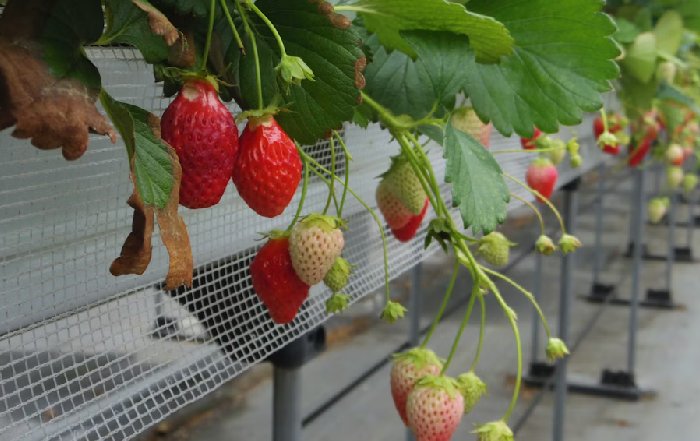
Controlled-environment agriculture, including vertical farms, greenhouses and high-tech aquaculture, forms a third pillar. While some early vertical farming ventures struggled with energy costs and unit economics, the latest generation of projects in the United States, United Kingdom, United Arab Emirates, Singapore and Japan are leveraging more efficient LEDs, advanced climate controls and renewable energy integration to improve margins. Investors are increasingly selective, favoring operators with strong partnerships in retail and foodservice, as well as those that integrate AI-based crop optimization and robotics. Learn more about how controlled-environment agriculture is intersecting with urbanization and logistics through resources from organizations like the World Economic Forum, which has examined the future of food systems and urban supply chains.
Finally, carbon measurement, reporting and verification (MRV) platforms tailored to agriculture have emerged as a critical enabling layer. These technologies use remote sensing, soil sampling, modeling and blockchain or secure databases to track emissions, sequestration and practice changes at the field and farm level. Financial institutions, including major banks in the United States, Europe and Asia, now rely on such platforms to structure green loans, sustainability-linked credit and transition finance for agricultural clients. For readers interested in how sustainable agriculture intersects with financial innovation, BizNewsFeed's banking coverage regularly explores developments in green finance, transition bonds and climate risk management.
Regional Dynamics: A Global but Uneven Transformation
Although sustainable agtech funding is global in scope, the character of investment and adoption varies significantly by region, shaped by climate, regulatory regimes, infrastructure and capital markets.
In North America, particularly the United States and Canada, large-scale row-crop farming, well-developed venture ecosystems and strong agri-input incumbents have fostered a robust market for precision agriculture, biological inputs and carbon platforms. States in the U.S. Midwest, the Canadian Prairies and California have become testbeds for AI-driven agronomy, water optimization and climate-resilient seed varieties. At the same time, indigenous communities and smaller regenerative farms are increasingly engaging with technology partners to document soil health and carbon outcomes, positioning themselves to access emerging carbon markets and sustainability-linked financing.
Europe presents a different profile. Strict environmental regulations, ambitious climate targets and strong consumer demand for organic and sustainably produced food have made the region a leader in regenerative agriculture and traceability technologies. Countries like Germany, France, the Netherlands and Denmark are at the forefront of integrating digital tools with agroecological practices, while Mediterranean nations such as Spain and Italy are experimenting with drought-resilient crops, water-saving irrigation and climate adaptation strategies for vineyards and olive groves. European investors and policymakers are particularly focused on ensuring that sustainable agriculture supports rural livelihoods and biodiversity, not just emissions reductions, and this holistic lens shapes the types of technologies that receive support.
In Asia, the diversity is even more pronounced. Singapore's state-backed push for food security has catalyzed investment in vertical farming, alternative proteins and advanced aquaculture, while Japan and South Korea are deploying robotics and AI to address aging farmer populations and labor shortages. China continues to invest heavily in agricultural modernization, including smart farming, satellite-enabled monitoring and rural digitization, as part of its broader food security and rural revitalization strategies. Southeast Asian countries such as Thailand and Malaysia are emerging as important markets for climate-resilient crops, smallholder-focused mobile advisory platforms and sustainable palm oil and rubber initiatives, often supported by international development finance and multinational supply-chain commitments. For a broader lens on how these developments fit into global trade and policy, BizNewsFeed's global section provides ongoing analysis.
Africa and South America, while sometimes underrepresented in venture capital statistics, are central to the long-term story of sustainable agriculture. Brazil, a major agricultural exporter, is a critical testing ground for regenerative ranching, deforestation-free supply chains and satellite-based monitoring of land-use change. South Africa, Kenya, Nigeria and other African economies are seeing increased investment in mobile-first agritech, climate advisory services and pay-as-you-go irrigation and solar solutions tailored to smallholders. Development banks, impact funds and blended-finance structures play an outsized role in these regions, recognizing that sustainable agriculture is both a climate imperative and a pathway to inclusive growth and job creation.
Business Models, Revenue Streams and Scaling Challenges
Behind the headlines about funding rounds and valuations lies a complex set of business-model questions that determine whether sustainable agriculture technology can scale profitably and durably. Many of the most promising companies are moving away from pure hardware or input sales towards integrated platforms that combine software, data, advisory services and financing.
Precision agriculture providers, for example, increasingly rely on subscription-based SaaS models, often bundled with agronomic consulting and integration with machinery or input purchases. Biological input companies are building long-term partnerships with distributors and large growers, supported by field-trial data and regulatory approvals that create defensible moats. Controlled-environment agriculture operators are focusing on long-term offtake agreements with retailers and foodservice chains, smoothing revenue volatility and justifying capital-intensive infrastructure investments. MRV and carbon platforms, meanwhile, often monetize through per-acre or per-ton fees paid by corporates, financial institutions or project developers seeking high-quality carbon credits and sustainability reporting.
However, the path to scale is not straightforward. Farmers across regions and farm sizes are understandably cautious about adopting new technologies that may disrupt established practices or require upfront investment, especially in volatile commodity markets. Trust, local presence and demonstrable ROI are critical, and successful companies often invest heavily in field teams, training and partnerships with cooperatives and local agronomists. In emerging markets, affordability and access to finance are major constraints, leading to innovative models such as input financing tied to yield improvements, revenue-sharing arrangements and collaborations with microfinance institutions. For founders navigating these complexities, BizNewsFeed's founders hub regularly highlights lessons from entrepreneurs building in climate and agtech.
Data ownership and interoperability present additional challenges. As farms adopt multiple digital tools, questions arise over who owns the data, how it can be shared securely, and how different platforms can interoperate without creating vendor lock-in. Industry consortia, standards bodies and public-private partnerships are starting to address these issues, but investors and founders alike recognize that trust and governance around data will be a decisive factor in long-term adoption.
Intersection with AI, Crypto, Finance and Labor Markets
For the cross-sector readership of BizNewsFeed.com, the most interesting aspect of sustainable agriculture technology may be how deeply it intersects with other transformative trends shaping the global economy.
Artificial intelligence sits at the core of many agtech solutions, from yield forecasting and pest detection to autonomous machinery and supply-chain optimization. Advances in computer vision, edge computing and generative models are enabling real-time decision support in the field, often on low-connectivity devices, while large-scale climate and crop models improve seasonal planning and risk assessment. These capabilities are not only improving agronomic outcomes but also reshaping financial products, insurance and commodity trading strategies. Readers following AI's broader impact on industries can explore additional perspectives in BizNewsFeed's AI coverage.
Blockchain and digital asset technologies, while more controversial, are finding selective applications in agriculture, particularly in traceability and carbon markets. Some projects are using tokenization to represent verified carbon credits or biodiversity outcomes, aiming to improve transparency, reduce double-counting and enable fractional participation in environmental assets. Others are leveraging distributed ledgers to track products from farm to fork, providing assurance on origin, sustainability practices and compliance. While these solutions must navigate regulatory uncertainty and market skepticism, they demonstrate how crypto and Web3 concepts are being tested in real-economy contexts.
Financial institutions are increasingly integrating sustainable agriculture into their core banking, lending and investment activities. Green loans, sustainability-linked credit lines, blended-finance vehicles and specialized funds are being designed to incentivize climate-smart practices and support the adoption of new technologies. Leading banks and asset managers in the United States, United Kingdom, Germany, France, Switzerland, Singapore and Japan now view agricultural clients through a climate and transition-risk lens, aligning with frameworks developed by organizations such as the Task Force on Climate-related Financial Disclosures (TCFD) and the International Sustainability Standards Board (ISSB). This financial integration is creating both opportunities and obligations for farmers, agribusinesses and technology providers.
The labor market dimension is equally important. As agriculture becomes more digitized and automated, demand is rising for data scientists, agronomists with tech fluency, robotics engineers and climate specialists, even as some traditional manual roles evolve or decline. Countries with aging farmer populations, such as Japan, Italy and Germany, see technology as essential to maintaining productivity, while younger entrepreneurs in markets like Brazil, India, Kenya and South Africa are building new careers at the intersection of farming, technology and climate action. BizNewsFeed's jobs coverage increasingly reflects this shift, highlighting how sustainable agriculture is becoming a significant source of new, high-skill employment.
Risks, Hype Cycles and the Need for Real-World Outcomes
Despite the compelling narrative and growing capital flows, sustainable agriculture technology is not immune to hype cycles, execution risk and unintended consequences. Investors and corporate buyers have learned from earlier waves of enthusiasm around biofuels, first-generation vertical farming and certain alternative proteins that not every promising technology will achieve commercial viability or deliver on its environmental claims.
Measurement and verification remain central concerns. Without robust, transparent and science-based methodologies to quantify emissions, sequestration, water use and biodiversity impacts, there is a risk that some projects could overstate benefits or enable greenwashing. Independent research institutions, NGOs and multilateral organizations such as the World Bank and the United Nations Environment Programme (UNEP) are playing an important role in setting standards and validating claims, but the ecosystem is still maturing. Investors with a long-term orientation are increasingly demanding rigorous impact measurement alongside financial metrics, and this discipline is likely to separate durable business models from short-lived experiments.
There is also a social dimension to consider. If not carefully designed, technology-driven transitions can exacerbate inequalities between large, well-capitalized farms and smaller producers, or between regions with strong digital infrastructure and those without. Ensuring that smallholders in Africa, South Asia and Latin America can access, afford and benefit from sustainable agriculture technologies is not only a moral imperative but also essential for global food security and political stability. Blended finance, public policy, capacity building and inclusive business models will all be necessary to avoid a two-speed agricultural future.
For the editorial team at BizNewsFeed.com, which covers these developments daily in its business and news sections, the central question is how to distinguish durable structural shifts from transient narratives. Experience, expertise and on-the-ground perspectives are crucial in assessing which technologies are genuinely improving resilience, profitability and environmental outcomes, and which are primarily riding the momentum of climate-focused capital.
What This Means for Executives and Investors in 2026
For executives across the food, retail, finance, logistics and technology sectors, the surge in sustainable agriculture tech funding is not merely an industry-specific development; it is a signal that food systems are entering a decisive transformation phase. Boards and leadership teams in the United States, United Kingdom, Germany, Canada, Australia, France, Italy, Spain, the Netherlands, Switzerland, China, Singapore, South Korea, Japan, South Africa, Brazil and beyond are increasingly expected to understand how their supply chains, product portfolios and risk exposures intersect with agricultural sustainability.
Strategically, companies that depend on agricultural commodities or land use should be mapping where sustainable agriculture technologies can de-risk operations, secure supply, differentiate brands and open new revenue streams. This may involve direct investment in agtech startups, partnerships with technology providers, participation in pilots and consortia, or integration of MRV platforms into procurement and reporting systems. It may also involve rethinking sourcing strategies, long-term contracts and farmer support programs to ensure that suppliers have both the incentives and the capabilities to adopt new practices.
For investors, sustainable agriculture technology offers a complex but potentially rewarding landscape that spans venture capital, private equity, infrastructure, listed equities and green bonds. The most successful strategies are likely to combine deep sector expertise, patient capital and a clear understanding of regulatory, scientific and social dynamics. Diversification across technology types, regions and stages can help manage risk, but selectivity and due diligence are paramount, particularly in areas where measurement and verification are still evolving.
The Road Ahead: From Funding Surge to Systemic Change
The surge in funding for sustainable agriculture technology in 2026 represents an inflection point, but not an endpoint. Capital alone cannot transform global food systems; it must be matched by policy coherence, scientific rigor, farmer engagement and consumer awareness. Yet the very fact that mainstream investors, corporates and governments are now treating sustainable agtech as a strategic priority signals that the conversation has shifted decisively from "whether" to "how" the world will reconfigure its relationship with land, water and food.
For BizNewsFeed.com and its global readership, the task in the coming years will be to track not only the flow of capital and the rise of new technologies, but also the tangible outcomes on farms, in supply chains and in communities from the United States and Europe to Asia, Africa and South America. As climate pressures intensify and expectations around corporate responsibility and resilience grow, sustainable agriculture technology will remain at the center of the business agenda, demanding the same level of analytical rigor, strategic attention and leadership commitment that digital transformation commanded in the previous decade.
Readers who wish to follow this evolution across AI, finance, markets, sustainability and global policy can continue to rely on BizNewsFeed's integrated coverage, from core business analysis to sector-specific insights and global trend reporting on BizNewsFeed.com.